

Separated they live in Bookmarksgrove right at the coast of the Semantics, a large language ocean. A small river named Duden flows by their place and supplies it with the necessary regelialia. It is a paradisematic country, in which roasted parts of sentences fly into your mouth. Even the all-powerful Pointing has no control about the blind texts it is an almost unorthographic life One day however a small line of blind text by the name of Lorem Ipsum decided to leave for the far World of Grammar.
The Big Oxmox advised her not to do so, because there were thousands of bad Commas, wild Question Marks and devious Semikoli, but the Little Blind Text didn’t listen. She packed her seven versalia, put her initial into the belt and made herself on the way. l using her.Far far away, behind the word mountains, far from the countries Vokalia and Consonantia, there live the blind texts.
Separated they live in Bookmarksgrove right at the coast of the Semantics, a large language ocean. A small river named Duden flows by their place and supplies it with the necessary regelialia.
100 Days in the Wilderness: A Bushcraft and Survival Expedition
Hey there, fellow adventurers! Today, I’m excited to share an incredible wilderness expedition that I had the privilege to be a part of recently. Picture this: a team of college students, armed with nothing but their wits and popular bushcraft and survival tools, ventured deep into the woods. Our mission? To survive and thrive for 100 days, relying solely on the resources the land had to offer. It was a test of our skills, teamwork, and determination like no other.
The Essentials: Bushcraft and Survival Gear
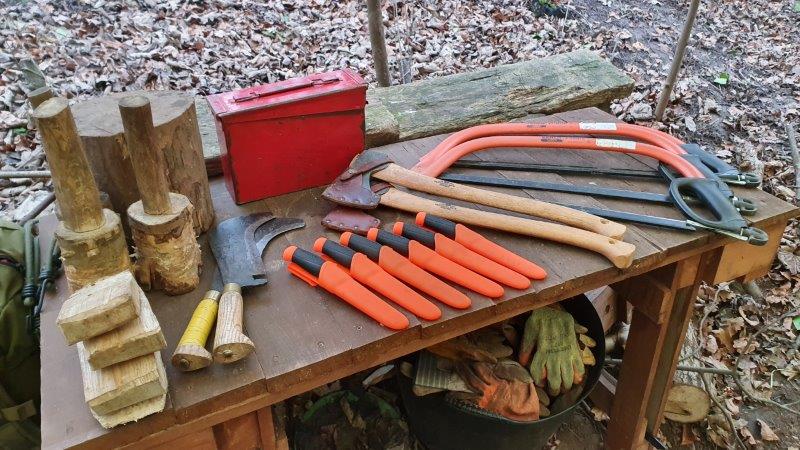
Before diving into our thrilling journey, let me give you a quick rundown of the gear that became our lifelines. These are essential tools for any bushcraft and survival enthusiast:
1. Survival Knife: Our trusty companion for everything from cutting branches to preparing game.
2. Firestarter: Because fire is life in the wilderness. We packed a mix of fire starters, from waterproof matches to ferrocerium rods.
3. Shelter: We brought along a lightweight tarp for creating quick shelters and a good old-fashioned canvas tent for those chilly nights.
4. Water Filtration: Staying hydrated is non-negotiable. Our portable water filters helped us drink safely from streams and rivers.
5. Cooking Equipment: Lightweight pots and pans, along with a small portable stove, ensured we could cook our meals with ease.
6. Survival Manual: A handy reference guide for identifying edible plants, building traps, and other vital survival skills.
7. Saws and Axes: These were indispensable for gathering firewood and constructing shelters. The folding saw and compact axe made light work of even the toughest logs.
Day 1: Setting Up Camp
Our adventure began with an adrenaline rush as we entered the dense woods, far from civilization. Our first priority was to set up a campsite. We chose a location near a freshwater source, which was crucial for our survival.
Using our survival knives and some paracord, we crafted sturdy shelters from fallen branches and the tarp. Our campfire, ignited with the firestarter, became the heart of our camp. Gathering firewood became a daily ritual, teaching us the value of teamwork and careful planning.
The Daily Grind
Each day brought new challenges. We honed our skills in identifying edible plants, foraging for food, and setting up traps to catch small game. Our diet consisted of wild berries, mushrooms, and an occasional successful hunt, which brought us the precious protein we needed.
The survival manual proved invaluable as we learned to identify and prepare edible plants safely. One of the most memorable moments was our first taste of wild game, roasted over an open flame. It was a testament to our growth as survivalists.
Building Community
As time passed, our group became a tight-knit community. We supported each other through the tough days when food was scarce and morale was low. Storytelling around the campfire and sharing our dreams for the future became a cherished part of our daily routine.
Unforeseen Challenges
Our journey was not without its share of setbacks. We faced unpredictable weather, including torrential rain and scorching heat. Our gear was put to the test, and we learned to adapt quickly to changing conditions.
The Countdown to Day 100
With each passing day, our skills improved, and we became more in tune with the land. We became adept at making natural cordage from plant fibers, fashioning traps, and navigating using the sun and stars. We even created some ingenious tools using materials we found in the wilderness.
Day 100: The Triumph
Finally, the day we had all been eagerly awaiting arrived. We had not only survived but thrived in the wild for 100 days! We celebrated with a feast of roasted game, foraged vegetables, and a sense of accomplishment that words can’t fully capture.
The Takeaway
Our 100-day bushcraft and survival expedition taught us more than just wilderness survival skills. It taught us the power of resilience, teamwork, and the indomitable human spirit. We forged lifelong bonds and walked out of the woods with a newfound appreciation for the natural world.
In conclusion, this adventure was a life-changing experience that I will forever cherish. It was a stark reminder that with the right knowledge, skills, and mindset, we can overcome even the most daunting challenges that nature throws our way. Whether you’re a seasoned survivalist or a newbie, consider embarking on your own bushcraft journey—it’s an education like no other. Happy adventuring!


