

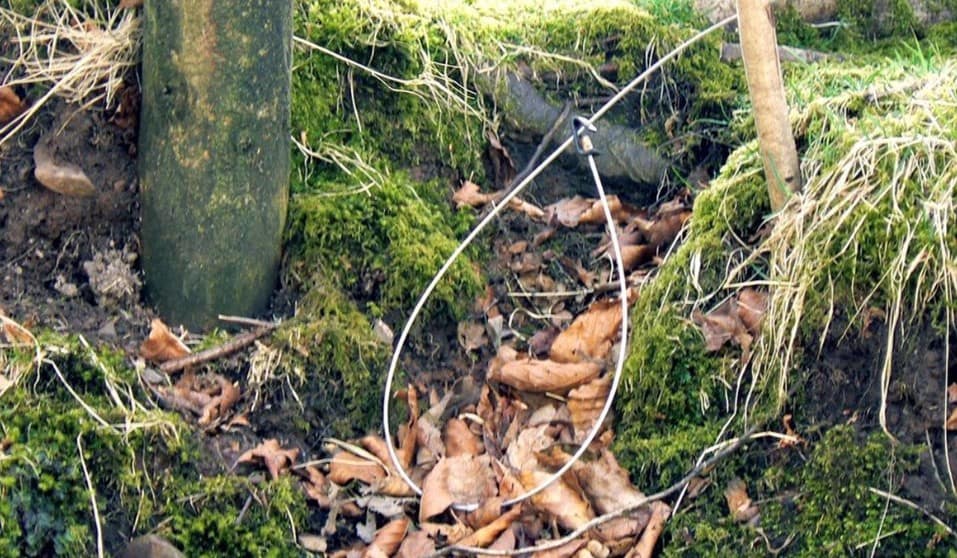
Mastering Primitive Snare Traps: Your Key to Survival in the Wild
Introduction
Imagine finding yourself stranded deep in the wilderness, far from civilization. You’re a college student with limited supplies, and your survival depends on your ability to secure food. This is where primitive snare traps come into play. These ingenious tools, often crafted from natural materials, can mean the difference between going hungry and staying nourished in a survival situation. In this article, we’ll explore the world of primitive snare traps and similar techniques that can be your lifeline in the wild.
Understanding the Need
In a survival scenario, food becomes your top priority. Primitive snare traps are valuable tools that help you passively catch small game such as rabbits, squirrels, and birds. As a college student, you might not have extensive experience in bushcraft, but learning a few simple snare traps can greatly increase your chances of staying alive in the wilderness.
The Simplest Snare: The Figure-Four Trap
The figure-four trap is an excellent starting point for college students new to primitive survival techniques. It requires minimal resources and is relatively easy to set up. You’ll need three sticks: one for the base, one for the vertical support, and one for the snare itself. Here’s how to set it up:
– Place the base stick on the ground.
– Attach the vertical support stick to the base, forming a right angle (like the shape of the number “4”).
– Create a snare loop with the third stick, and position it in the path of your target animal.
When the animal passes through the snare, the figure-four design tightens, trapping your prey.
The Paiute Deadfall Trap
The Paiute deadfall trap is another effective method to catch small game. It consists of a heavy rock balanced on a trigger stick with bait underneath. When the animal tries to retrieve the bait, it triggers the rock to fall, trapping the animal beneath. This trap is more complex than the figure-four but can yield larger catches.
The Spring Snare
The spring snare is an incredibly efficient trap for catching small game. It utilizes the tension from bent saplings or branches to create a powerful snare. To set it up:
– Bend a young sapling or branch down and secure it with a trigger stick.
– Create a noose with cordage or a supple vine and place it in the path of your target.
When the animal enters the snare, the sapling or branch is released, quickly hoisting the animal off the ground.
The Bird Snare
If you’re aiming to catch birds, a simple bird snare can be a game-changer. You’ll need a forked stick and a baited line. Set the forked stick in the ground, attach the baited line to it, and position it near a bird’s nest or feeding area. When a bird lands on the forked stick to investigate the bait, it becomes trapped.
Conclusion
As a college student, mastering primitive snare traps and survival techniques can provide you with valuable skills that may come in handy in the future. While we hope you never find yourself in a dire wilderness survival situation, knowing how to secure food with basic tools like these traps can give you the confidence and ability to overcome challenging circumstances. Remember, practice makes perfect, so take the time to hone your skills in a safe environment before relying on them in the wild. Stay safe and always prioritize ethical hunting and trapping practices in accordance with local laws and regulations.


